
توضیحات
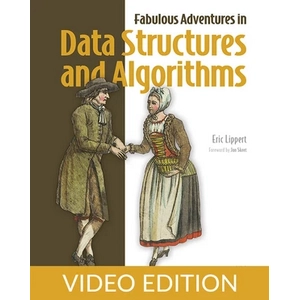
دوره Fabulous Adventures in Data Structures and Algorithms,Video Edition. این دوره آموزشی یک برنامه جامع و پیشرفته است که الگوریتمها و ساختارهای داده غیرمعمول و نوآورانه را به توسعهدهندگان نرمافزار آموزش میدهد تا دیدگاه برنامهنویسی خود را ارتقا داده و راهحلهای بهینهتری ارائه کنند. این دوره از برنامهنویسان دعوت میکند تا از مسیرهای سنتی و تکراری فاصله بگیرند و به بررسی الگوریتمهای جذاب، کمتر شناختهشده و کاربردی بپردازند که چالشهای جدیدی برای ذهن ایجاد کرده و کیفیت کدنویسی آنها را ارتقا میدهند. طراح برجسته زبانهای برنامهنویسی، Eric Lippert، با رویکردی روان و با ارائه مثالهای کاملاً عملی، الگوهای تکرارشونده در پس مشکلات پیچیده کدنویسی را آموزش میدهد. فراگیران در این دوره با بررسی عمیق ساختارهای داده پایدار و غیرقابل تغییر (Immutable Data Structures)، قابلیت اطمینان کدهای خود را در محیطهای چندنخی افزایش میدهند. دوره با بررسی مباحثی مانند Stacks، Queues و Finger-Tree Deques نشان میدهد که چگونه میتوان مدیریت حافظه را از طریق مفاهیم پایداری بهبود بخشید. برای توسعهدهندگانی که در محیطهای موازی (Concurrent) و ابری (Cloud Native) فعالیت میکنند، این الگوها ابزاری عالی برای حذف خطاهای ناشی از Race Conditions و State-Mutation محسوب میشوند. در ادامه این برنامه آموزشی، تمرکز دوره به سمت جستجوی ساختاری، طراحی کامپایلر (Compiler Design) و تلفیق برنامهنویسی تابعی (Functional Programming) در زبانهای شیگرا (Object-Oriented Languages) معطوف میشود. موضوعاتی مانند Directed Acyclic Word Graphs یا DAWGs، چاپگرهای پیشرفته (Greedy Pretty Printers) و پیچیدگیهای یکسانسازی درختها (Tree Unification) بررسی میشوند تا پل ارتباطی میان مباحث تئوری و ابزارهای واقعی ایجاد گردد. بخش پایانی دوره به مدلسازی تصادفی، استدلال آماری و احتمال پیوسته اختصاص دارد که مفاهیم پایهای برای هوش مصنوعی (AI) و تحلیلهای پیشبینیکننده (Predictive Analytics) هستند. با معرفی تکنیکهای پیشرفته Bayesian و Monadic، نحوه ساخت توزیعهای مشترک و نمونهگیری با استفاده از الگوریتم Metropolis آموزش داده میشود. در عصر کدنویسی با هوش مصنوعی که پیادهسازی سادهتر شده است، درک عمیق علت انتخاب یک راهحل و نحوه مقیاسپذیری آن اهمیت بیشتری یافته است و این دوره دقیقا این قدرت تحلیل و تفکر الگوریتمی را در توسعهدهندگان تقویت میکند.
آنچه فرا خواهید گرفت
- ساخت سیستمهای موازی بسیار کارآمد و Thread-Safe با استفاده از بخشهای غیرقابل تغییر (Immutable Parts)
- فشردهسازی حجم دادههای بزرگ با استفاده از Memoized Quadtrees و DAWGs
- حل بهینهسازیهای پیچیده در طراحی کامپایلر با استفاده از Unification و الگوریتمهای جستجوی عقبگرد (Backtracking Search)
- خودکارسازی تصمیمگیریهای دقیق و ریاضی در شرایط عدم قطعیت دنیای واقعی
این دوره مناسب افرادیست که
- برنامهنویسان شاغلی که با زبانهای C#، Java یا Python آشنایی دارند
- توسعهدهندگانی که میخواهند دانش خود را در زمینه ساختار دادهها و الگوریتمهای پیشرفته ارتقا دهند
- مهندسانی که به دنبال ساخت سیستمهای موازی، ابری و ابزارهای تحلیل کد هستند
- افرادی که تمایل دارند تفکر الگوریتمی و تصمیمگیریهای معمارانه خود را در نرمافزار تقویت کنند
مشخصات دوره Fabulous Adventures in Data Structures and Algorithms,Video Edition
- ناشر: Oreilly
- مدرس: Eric Lippert
- سطح آموزش: مبتدی تا پیشرفته
- مدت زمان آموزش: 10 ساعت و 28 دقیقه
سرفصل های دوره
- Foreword
- Chapter 1. Starting a fabulous adventure
- Chapter 1. An immutable linked list
- Chapter 1. The challenges ahead
- Chapter 1. Summary
- Part 1. Extending the basics
- Chapter 2. Immutable stacks and queues
- Chapter 2. An immutable stack
- Chapter 2. A covariant immutable stack
- Chapter 2. A queue, a queue, an immutable queue
- Chapter 2. Mutable wrappers
- Chapter 2. Undo and redo
- Chapter 2. The Hugues list: Build it cheap, pay for it later
- Chapter 2. Summary
- Chapter 3. An immutable deque
- Chapter 3. A bad naïve implementation
- Chapter 3. A finger tree
- Chapter 3. Visualizing the data structure
- Chapter 3. Amortized performance of the deque
- Chapter 3. Are we abusing the type system?
- Chapter 3. Concatenation of deques
- Chapter 3. Performance after adding concatenation
- Chapter 3. Why is this tree called a finger tree?
- Chapter 3. Summary
- Chapter 4. Memoizing immutable quadtrees to make a better Life
- Chapter 4. A typical first attempt
- Chapter 4. An immutable quadtree
- Chapter 4. The HashLife algorithm
- Chapter 4. Summary
- Chapter 5. What’s up with you, Directed Acyclic Word Graph?
- Chapter 5. The prefix tree
- Chapter 5. Tries are not-so-secretly finite state automata
- Chapter 5. Building a DAWG
- Chapter 5. DAWG vs. trie for ENABLE
- Chapter 5. Summary
- Chapter 6. Combinatorial algorithms
- Chapter 6. Permutations
- Chapter 6. Combinations
- Chapter 6. Summary
- Chapter 7. First abstract nonsense interlude: Category theory
- Chapter 7. Covariant endofunctors in the category of types
- Chapter 7. Contravariant endofunctors in the category of types
- Chapter 7. Summary
- Part 2. Searching, solving, inferring
- Chapter 8. Coloring graphs with backtracking search
- Chapter 8. An immutable multidictionary
- Chapter 8. An immutable undirected graph
- Chapter 8. Coloring simple graphs
- Chapter 8. Solving Sudokus with backtracking search
- Chapter 8. Scheduling problems are graph-coloring problems
- Chapter 8. Summary
- Chapter 9. Greedy iterative pretty printing
- Chapter 9. Greedy algorithms and making change
- Chapter 9. A greedy pretty-printing algorithm
- Chapter 9. Phase 1: Transforming parse trees with the visitor pattern
- Chapter 9. Summary
- Chapter 10. Unification and anti-unification
- Chapter 10. The performance of binary term unification
- Chapter 10. Type inference and logic programming
- Chapter 10. Anti-unifying binary terms
- Chapter 10. The first-order binary-term anti-unification algorithm
- Chapter 10. Clone detection and fix deduction
- Chapter 10. Summary
- Chapter 11. Second abstract nonsense interlude: Monads
- Chapter 11. How hard can it be to divide by 2?
- Chapter 11. Generalizing to arbitrary functions with Map and Bind
- Chapter 11. The sequence monad is an additive monad
- Chapter 11. Summary
- Part 3. Probabilities
- Chapter 12. A better abstraction for randomness
- Chapter 12. What are discrete probability distributions?
- Chapter 12. Generating uniform samples with Random
- Chapter 12. IDistribution<T> and IDiscreteDistribution<T>
- Chapter 12. Flipping an unfair coin with Bernoulli
- Chapter 12. Improving the ecosystem with extension methods
- Chapter 12. Representing unfair die rolls by adding a projection
- Chapter 12. Categorical algorithm 1: Make a big list
- Chapter 12. Categorical algorithm 2: Climb a ladder
- Chapter 12. Categorical algorithm 3: Rejecting rejection sampling
- Chapter 12. Categorical algorithm 4: The alias algorithm
- Chapter 12. Filtering out a category
- Chapter 12. Summary
- Chapter 13. Conditional probability with Bayes’ theorem
- Chapter 13. Likelihood functions and joint distributions
- Chapter 13. Updating priors by reasoning from effects to causes
- Chapter 13. Some applications of Bayesian reasoning
- Chapter 13. Unconditional likelihood functions and independent functions
- Chapter 13. Summary
- Chapter 14. Third abstract nonsense interlude: The probability monad
- Chapter 14. Probability distributions as additive monads
- Chapter 14. A critique
- Chapter 14. Summary
- Chapter 15. Sampling continuous distributions
- Chapter 15. Sampling the continuous uniform distribution
- Chapter 15. Sampling the normal distribution
- Chapter 15. The inverse transform method
- Chapter 15. Rejection sampling
- Chapter 15. Summary
- Chapter 16. Markov processes and the Metropolis algorithm
- Chapter 16. Markov texts
- Chapter 16. Computing posteriors of continuous distributions
- Chapter 16. The Metropolis algorithm
- Chapter 16. Sampling posteriors with Metropolis
- Chapter 16. Summary
- Appendix A. Notes on C#
- Appendix A. Generic types are fully instantiated at runtime
- Appendix A. Nullable types
- Appendix A. Sugars
- Appendix A. Extension methods
- Appendix A. Sequences, iterators, and lambdas
تصاویر دوره

نمونه فیلم دوره
راهنمای نصب
پس از Extract، با Player دلخواه خود مشاهده کنید.
زیرنویس: انگلیسی
کیفیت: 1080p
لینک دانلود
گذرواژه فایل(ها): www.downloadly.ir
حجم فایل
1.8 گیگابایت