



توضیحات
Computer, Enhance! Programming courses, interviews, commentary دوره آموزشی نحوه عملکرد پردازندههای (CPU) مدرن می باشد که توسط آکادمی آنلاین یودمی منتشر شده است. این مجموعه برای برنامهنویسانی طراحی شده است که با نوشتن برنامه آشنا هستند، اما نمیدانند سختافزار چگونه آن برنامهها را اجرا میکند. هدف این دوره، آشنا کردن شما با نحوه عملکرد پردازندههای (CPU) مدرن، روش تخمین سرعت کدهای حساس به عملکرد (performance-critical) و تکنیکهای پایهای بهینهسازی است که هر برنامهنویسی باید بداند.
این دوره به بخشهای مختلفی تقسیم شده است؛ بخش اول (یا همان «مقدمه») صرفاً جنبه نمایشی و آموزشی دارد و شامل هیچگونه تکلیفی نیست، اما بخشهای بعدی دارای تکالیف هفتگی هستند. با اتمام این دوره آموزشی شما درک بالایی از نحوه عملکرد پردازندههای (CPU) مدرن خواهید داشت و این توانایی نوشتن کدهایی که مناسب انواع مختلفی از پردازندههای (CPU) مدرن باشند را خواهید داشت.
آنچه در دوره Computer, Enhance! Programming courses, interviews, commentary یاد خواهید گرفت:
- رمزگشایی دستورالعملها در ۸۰۸۶
- رمزگشایی چندین دستورالعمل و پسوند
- الگوهای آپکد در محاسبات ۸۰۸۶
- مرور کد رمزگشای ۸۰۸۶
- استفاده از رمزگشای مرجع به عنوان یک کتابخانه مشترک
- شبیهسازی MOVهای بدون حافظه
- شبیهسازی ADD، SUB و CMP
- شبیهسازی پرشهای شرطی
- شبیهسازی حافظه
- شبیهسازی برنامههای واقعی
- سایر دستورالعملهای رایج
- The Stack
- و …
مشخصات دوره
ناشر: Computer Enhance
مدرس: Casey Muratori
زبان: انگلیسی
سطح آموزش: مقدماتی تا پیشرفته
تعداد دروس:
مدت زمان آموزش: 85ساعت
سرفصل های دوره
- Prologue: The Five Multipliers
- Part 1: Reading ASM
- Part 2: Basic Profiling
- Part 3: Moving Data
- Part 4: Polynomial Evaluation
- Part 5: Computation
- The Computer Enhance 2024 International Event Tracing for Windows Halloween Spooktacular Challenge
- 1994 Internship Interview Series
- Ray’s Snippet Series
- The Big OOPs Paper Trail
پیش نیازهای دوره Computer, Enhance! Programming courses, interviews, commentary
All the materials here are designed to be beginner-friendly, but most require that you know some programming already. From time to time there are posts for people brand-new to programming, most posts assume you are comfortable doing at least some programming already, in a language of your choice.
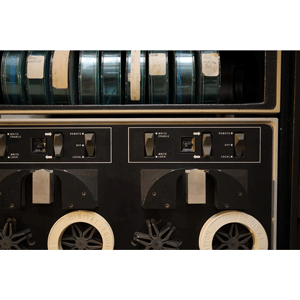
تصاویر دوره

فیلم معرفی دوره Computer, Enhance! Programming courses, interviews, commentary
راهنمای نصب
پس از Extract، با Player دلخواه خود مشاهده کنید.
زیرنویس: ندارد
کیفیت: 1080p
لینک دانلود
گذرواژه فایل(ها): www.downloadly.ir
حجم فایل
136 گیگابایت

































3 دیدگاه. همین الان خارج شوید
میشه دوره رو بر اساس فصلها پارت بندی کنین؟ هندل کردن ۱۳۶ گیگ یجا سخته.
سلام
دوره خیلی کلی است. اگر بخوایم تفکیک کنیم باید حدودا 150 تا لینک قرار دهیم.
سلام علیکم
من نام همهی ویدیوها را طبق فهرست بخشبندی شدهای که خود ناشر در وبسایتش منتشر کرده بود، تغییر دادم؛ اگر میخواهید ویدیوها را به ترتیب ببینید، میتوانید از فهرست زیر استفاده کنید (ابتدای نام هر ویدیو یک عدد است که نشان میدهد آن ویدیو متعلق به کدام بخش است؛ بعد از آن، نامِ خود بخش را آوردهام؛ بعد از آن هم شمارهی ویدیو و در نهایت هم نام خود ویدیو را نوشتهام؛ ۴ ویدیو در YouTube قرار دارند و در خود فایلهای دانلود قرار ندارند؛ باید آنها را شخصاً دانلود کنید):
01 – Prologue The Five Multipliers – 01 Welcome to the Performance-Aware Programming Series!
01 – Prologue The Five Multipliers – 02 Waste
01 – Prologue The Five Multipliers – 03 Instructions Per Clock
01 – Prologue The Five Multipliers – 04 Single Instruction, Multiple Data
01 – Prologue The Five Multipliers – 05 Caching
01 – Prologue The Five Multipliers – 06 Multithreading
01 – Prologue The Five Multipliers – 07 Python Revisited
02 – Interlude – 01 The Haversine Distance Problem
02 – Interlude – 02 Clean Code, Horrible Performance
03 – Part 1 Reading ASM – 01 Instruction Decoding on the 8086
03 – Part 1 Reading ASM – 02 Decoding Multiple Instructions and Suffixes
03 – Part 1 Reading ASM – 03 Opcode Patterns in 8086 Arithmetic
03 – Part 1 Reading ASM – 04 8086 Decoder Code Review
03 – Part 1 Reading ASM – 05 Using the Reference Decoder as a Shared Library
03 – Part 1 Reading ASM – 06 Simulating Non-memory MOVs
03 – Part 1 Reading ASM – 07 Simulating ADD, SUB, and CMP
03 – Part 1 Reading ASM – 08 Simulating Conditional Jumps
03 – Part 1 Reading ASM – 09 Simulating Memory
03 – Part 1 Reading ASM – 10 Simulating Real Programs
03 – Part 1 Reading ASM – 11 Other Common Instructions
03 – Part 1 Reading ASM – 12 The Stack
03 – Part 1 Reading ASM – 13 Estimating Cycles
03 – Part 1 Reading ASM – 14 From 8086 to x64
03 – Part 1 Reading ASM – 15 8086 Simulation Code Review
04 – Part 2 Basic Profiling – 01 Generating Haversine Input JSON
04 – Part 2 Basic Profiling – 02 Writing a Simple Haversine Distance Processor
04 – Part 2 Basic Profiling – 03 Initial Haversine Processor Code Review
04 – Part 2 Basic Profiling – 04 Introduction to RDTSC
04 – Part 2 Basic Profiling – 05 How does QueryPerformanceCounter measure time
04 – Part 2 Basic Profiling – 06 Instrumentation-Based Profiling
04 – Part 2 Basic Profiling – 07 Profiling Nested Blocks
04 – Part 2 Basic Profiling – 08 Profiling Recursive Blocks
04 – Part 2 Basic Profiling – 09 A First Look at Profiling Overhead
04 – Part 2 Basic Profiling – 10 Comparing the Overhead of RDTSC and QueryPerformanceCounter
05 – Part 3 Moving Data – 01 Measuring Data Throughput
05 – Part 3 Moving Data – 02 Repetition Testing
05 – Part 3 Moving Data – 03 Monitoring OS Performance Counters
05 – Part 3 Moving Data – 04 Page Faults
05 – Part 3 Moving Data – 04a Probing OS Page Fault Behavior
05 – Part 3 Moving Data – 04b Four-Level Paging
05 – Part 3 Moving Data – 04c Analyzing Page Fault Anomalies
05 – Part 3 Moving Data – 04d Powerful Page Mapping Techniques
05 – Part 3 Moving Data – 04e Faster Reads with Large Page Allocations
05 – Part 3 Moving Data – 04f Memory-Mapped Files
05 – Part 3 Moving Data – 05 Inspecting Loop Assembly
05 – Part 3 Moving Data – 06 Intuiting Latency and Throughput
05 – Part 3 Moving Data – 07 Analyzing Dependency Chains
05 – Part 3 Moving Data – 08 Linking Directly to ASM for Experimentation
05 – Part 3 Moving Data – 09 CPU Front End Basics
05 – Part 3 Moving Data – 10 Branch Prediction
05 – Part 3 Moving Data – 11 Code Alignment
05 – Part 3 Moving Data – 12 The RAT and the Register File
05 – Part 3 Moving Data – 13 Execution Ports and the Scheduler
05 – Part 3 Moving Data – 14 Increasing Read Bandwidth with SIMD Instructions
05 – Part 3 Moving Data – 15 Cache Size and Bandwidth Testing
05 – Part 3 Moving Data – 16 Non-Power-of-Two Cache Size Testing
05 – Part 3 Moving Data – 17 Latency and Throughput, Again
05 – Part 3 Moving Data – 18 Unaligned Load Penalties
05 – Part 3 Moving Data – 19 Cache Sets and Indexing
05 – Part 3 Moving Data – 20 Non-temporal Stores
05 – Part 3 Moving Data – 21 Prefetching
05 – Part 3 Moving Data – 22 Prefetching Wrap-up
05 – Part 3 Moving Data – 22a A Closer Look at the Prefetching Performance Graph
05 – Part 3 Moving Data – 23 2x Faster File Reads
05 – Part 3 Moving Data – 24 Overlapping File Reads with Computation
05 – Part 3 Moving Data – 25 Testing Memory-Mapped Files
06 – Part 4 Polynomial Evaluation – 01 Reference Haversine Code
06 – Part 4 Polynomial Evaluation – 02 Identifying Non-inlined Math Functions
06 – Part 4 Polynomial Evaluation – 03 Determining Input Ranges
06 – Part 4 Polynomial Evaluation – 04 Introduction to SSE Intrinsics
Halloween Spooktacular Windows Challenge – Real-time PMCs on Windows with ETW
Monday Q&A #1 (2023-02-05)
Monday Q&A #10 (2023-05-08)
Monday Q&A #11 (2023-05-15)
Monday Q&A #12 (2023-05-22)
Monday Q&A #13 (2023-05-29)
Monday Q&A #14 (2023-06-05)
Monday Q&A #15 (2023-06-12)
Monday Q&A #16 (2023-06-19)
Monday Q&A #17 (2023-06-26)
Monday Q&A #18 (2023-07-03)
Monday Q&A #19 (2023-07-10)
Monday Q&A #2 (2023-02-12)
Monday Q&A #20 (2023-07-17)
Monday Q&A #21 (2023-07-31)
Monday Q&A #3 (2023-02-20)
Monday Q&A #4 (2023-03-06)
Monday Q&A #5 (2023-03-13)
Monday Q&A #6 (2023-03-20)
Monday Q&A #7 (2023-04-10)
Monday Q&A #8 (2023-04-17)
Monday Q&A #9 (2023-04-24)
Q&A #22 (2023-08-15)
Q&A #23 (2023-08-21)
Q&A #24 (2023-08-28)
Q&A #25 (2023-09-04)
Q&A #26 (2023-09-11)
Q&A #27 (2023-09-18)
Q&A #28 (2023-09-25)
Q&A #29 (2023-10-02)
Q&A #30 (2023-10-09)
Q&A #31 (2023-10-23)
Q&A #32 (2023-10-30)
Q&A #33 (2023-11-06)
Q&A #34 (2023-11-13)
Q&A #35 (2023-11-20)
Q&A #36 (2023-11-27)
Q&A #37 (2023-12-04)
Q&A #38 (2023-12-11)
Q&A #39 (2024-01-09)
Q&A #40 (2024-01-18)
Q&A #41 (2024-01-23)
Q&A #42 (2024-01-29)
Q&A #43 (2024-02-06)
Q&A #44 (2024-02-26)
Q&A #45 (2024-03-04)
Q&A #46 (2024-03-11)
Q&A #47 (2024-03-18)
Q&A #48 (2024-03-25)
Q&A #49 (2024-04-02)
Q&A #50 (2024-04-08)
Q&A #51 (2024-04-18)
Q&A #52 (2024-04-29)
Q&A #53 (2024-05-06)
Q&A #54 (2024-05-13)
Q&A #55 (2024-05-20)
Q&A #56 (2024-06-10)
Q&A #57 (2024-06-17)
Q&A #58 (2024-06-24)
Q&A #59 (2024-07-15)
Q&A #60 (2024-07-22)
Q&A #61 (2024-07-30)
Q&A #62 (2024-08-08)
Q&A #63 (2024-08-19)
Q&A #64 (2024-08-26)
Q&A #65 (2024-09-09)
Q&A #66 (2024-10-01)
Q&A #67 (2024-11-18)
Q&A #68 (2025-01-06)
Q&A #69 (2025-01-13)